How to Better Care for a Home’s Toilets
Toilets play a crucial role in every household, yet they are often overlooked until problems arise, resulting in costly repairs. Knowing what signs to watch for and how to address common toilet problems can prevent minor issues from escalating into significant concerns. This guide outlines effective ways to care for home toilets, including recognizing signs for repair or replacement, tips to prevent clogs, and how sewer line issues can influence toilet performance.
Signs a Toilet Needs Repair or Replacement
 Identifying the signs that a toilet requires attention is crucial in ensuring the continued efficiency of a home’s plumbing. The following are common indicators that suggest a toilet may need repair or replacement:
- Always Running: A toilet that continues to run despite attempts to stop it often indicates a faulty flapper or fill valve. This constant cycling wastes water and signals a need for repair.
- Leaking: Water pooling around the base or behind the tank suggests a leak. Immediate repair of leaks prevents water damage and reduces water bills.
- Frequent Clogging: Regular toilet clogs can indicate underlying problems that necessitate further inspection or replacement with a model better suited to the home’s plumbing needs.
- Weak or Incomplete Flushes: A toilet that struggles to flush completely might have faulty components or require replacement to ensure efficient waste removal.
- Cracks in the Tank or Bowl: Visible cracks can lead to leaks and potentially catastrophic failure, necessitating immediate repair or full replacement for the sake of safety and efficiency.
- Constant Repairs Needed: If repairs are frequent, the toilet may be beyond repair, warranting a new, more efficient model to save on repairs and water usage.
- Toilets Over 25 Years Old: Older toilets are less efficient and waste water. Newer models offer improved performance and can reduce overall water consumption.
Identifying these signs early enables homeowners to address issues proactively, considering repairs or replacements to maintain efficient plumbing functionality.
Tips for Preventing Toilet Clogs
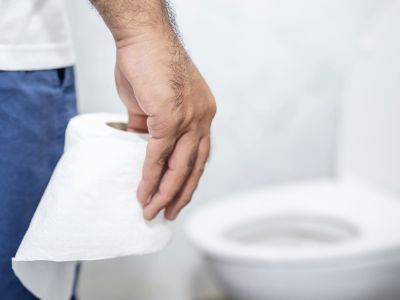 Simple preventive measures can help avoid toilet clogs, ensuring a properly functioning plumbing system. Key practices include:
- Flush Only Toilet Paper and Human Waste: Introducing paper towels, wipes, dental floss, and other items that shouldn’t be flushed into toilets can cause clogs due to their inability to break down efficiently in water. Sticking exclusively to toilet paper prevents unnecessary blockages.
- Moderate Toilet Paper Use: Excessive flushing of toilet paper at once can overwhelm plumbing systems, leading to blockages. Using less paper or flushing multiple times can help manage waste without causing clogs.
Implementing these practices minimizes the risk of clogged toilets, ensuring a hassle-free and efficient bathroom experience. Proper care and timely identification of potential issues are vital in maintaining the functionality and efficiency of a home’s plumbing system. With this knowledge, homeowners can minimize disruptions, enhance water efficiency, and save on unnecessary repair costs.
How Sewer Lines Impact Toilets
Sewer line conditions significantly affect toilet performance, with sewer line clogs complicating bathroom operation. Obstructions within sewer lines can cause recurring toilet clogs and unpleasant backups within the home. So, maintaining a clear and clog-free sewer line is crucial to maintaining smooth toilet operation.
Flushing inappropriate items can lead to sewer line clogs, even if they initially pass through the toilet without issue. Over time, these objects can cause significant blockages farther down the sewer line. So, good flushing habits are important for preventing a clogged sewer line as well. Regular sewer line maintenance, combined with mindful flushing habits and avoiding the improper disposal of items such as grease, oil, and food waste down drains, helps prevent sewer line clogs and the toilet and plumbing problems they can cause.
About Foster’s Plumbing, Heating & Cooling
Since 2015, Foster’s Plumbing, Heating & Cooling has been a trusted, locally operated plumbing and HVAC contractor in Perkasie, PA. They stand behind their work with a 2-year parts and labor warranty. Call them for clogged toilet repairs in Perkasie, PA.